How Eco-Friendly Practices Enhance Child Learning in Daycares


Introduction to Eco-Friendly Practices in Daycares
Incorporating eco-friendly practices in daycares is not just about protecting the environment—it's also about enhancing the learning experiences of young children. By integrating sustainable habits, daycares can provide a nurturing environment that fosters both cognitive and emotional development.
Children are naturally curious, and when they are exposed to green practices, they learn the importance of caring for the planet. This awareness can lead to lifelong habits that benefit both the individual and the community.

Promoting Environmental Awareness
Daycares that implement eco-friendly practices often include lessons that teach children about recycling, reducing waste, and conserving energy. Through hands-on activities, such as sorting recyclables or planting gardens, children gain a practical understanding of sustainability.
These activities are not only educational but also enjoyable, allowing children to feel a sense of accomplishment as they contribute to environmental preservation. This early introduction to eco-consciousness can shape their perspectives and behaviors in the future.
Hands-On Learning Activities
Engaging children in activities like composting or creating crafts from reused materials not only teaches them about sustainability but also enhances their creativity and problem-solving skills. Such activities can be both fun and educational, providing a holistic approach to learning.

Creating a Healthy Learning Environment
Eco-friendly daycares often prioritize the use of non-toxic materials and natural cleaning products, creating a healthier environment for children. This reduces their exposure to harmful chemicals, which can be particularly important for young, developing bodies.
A healthier environment can lead to fewer illnesses, allowing children to attend daycare consistently and benefit from regular learning opportunities. This stability is crucial for emotional and social development.
Connecting with Nature
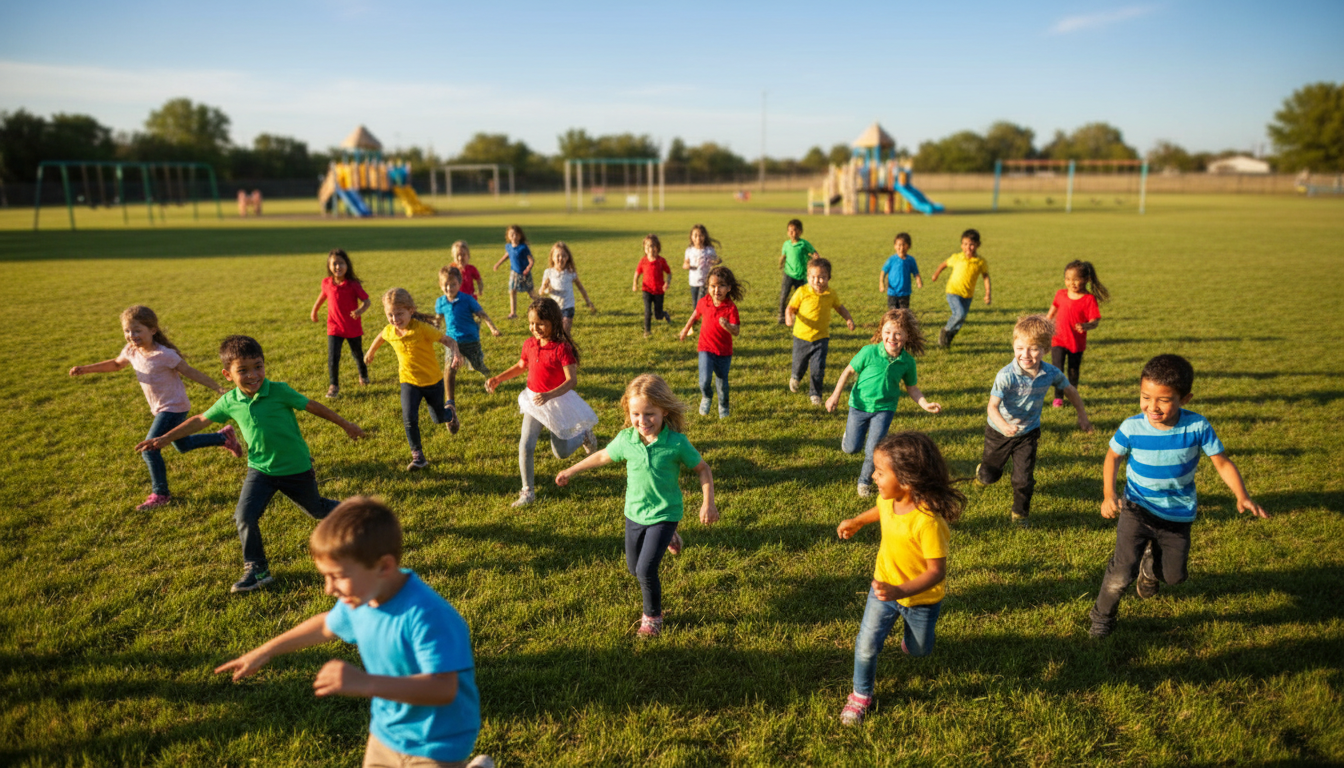
Many eco-friendly daycares emphasize outdoor play, which is essential for physical development and mental well-being. Nature-based activities encourage children to explore, ask questions, and develop a deeper appreciation for the natural world.
Building Sustainable Habits for the Future
By integrating eco-friendly practices into daily routines, daycares help children build sustainable habits that can last a lifetime. Simple actions, such as turning off lights when leaving a room or using reusable containers, teach responsibility and mindfulness.
As children grow and develop, these habits can influence their decisions and actions, leading to a more sustainable future for everyone. Daycares play a crucial role in shaping the next generation of environmentally conscious individuals.
Involving Families and Communities
Daycares can extend their impact by involving families and communities in their eco-friendly initiatives. This can be achieved through workshops, newsletters, and collaborative events that encourage everyone to participate in sustainable practices.
By fostering a community-wide commitment to eco-friendliness, daycares can amplify their efforts and create a larger ripple effect, benefiting both the environment and the children they serve.